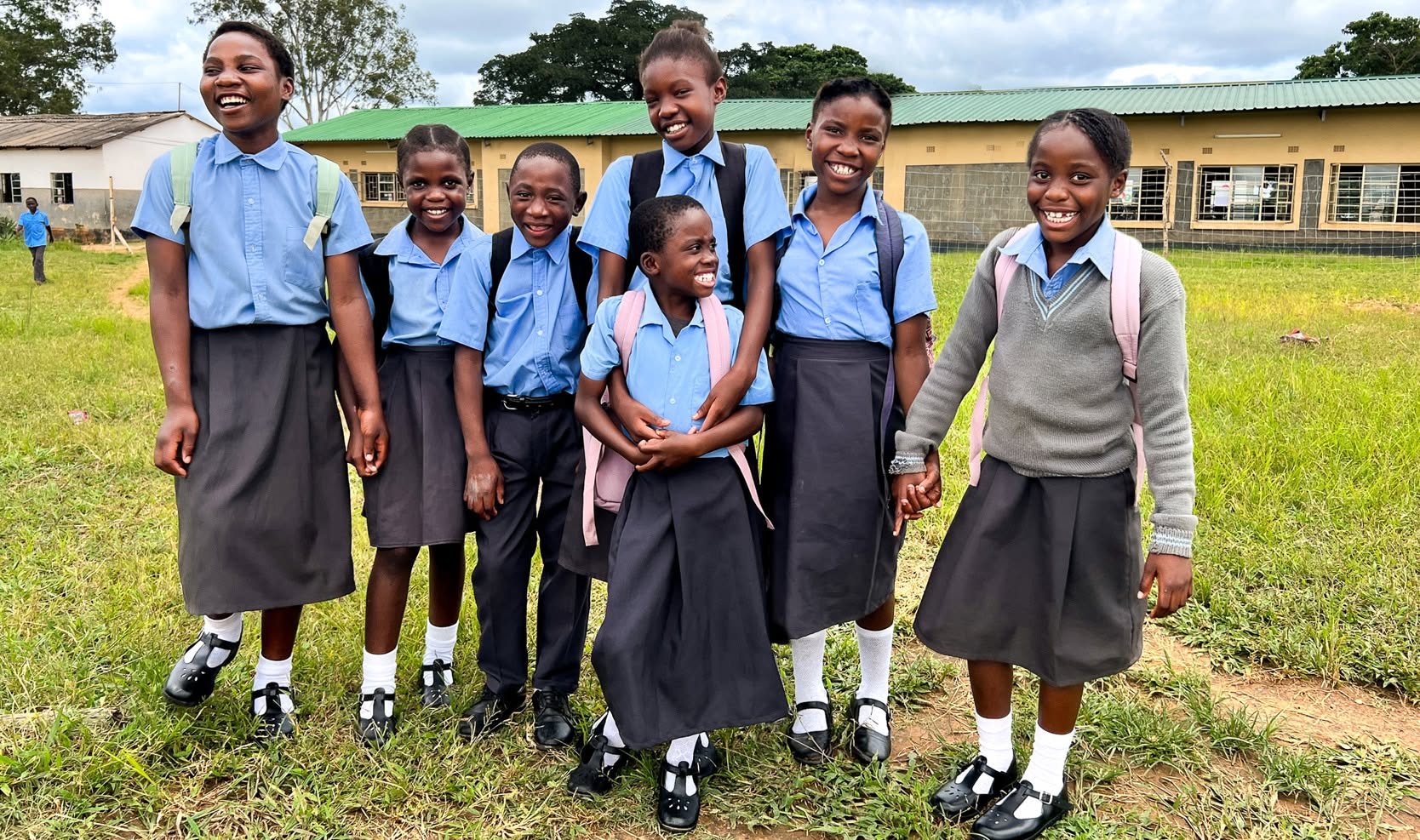
Smiling schoolgirls from Every Orphan's Hope in their school uniforms

The Thrive Partnership

Raising the Standard. Expanding the Reach.

Exceptional care in our own homes, and a Zambian team equipping others across Zambia to do the same.
Give today See the impact
A Thrive Program partnership

Our Impact So Far

From our own homes to childcare facilities across Zambia.

We are beginning year 3. Figures are updated each year.

  1. Year 1 · [Year]

    Thrive in our own homes

    • 15internationally aligned standards of care
    • 9.8 & 9.5Thrive scores (out of 10) for our Baby Rescue Homes and Family Homes
  2. Year 2 · [Year]

    Initial pilot program

    • 4additional childcare facilities engaged
    • 292children reached
  3. Year 3 · 2026

    Expansion

    • 10more facilities added this year
    • 16participating facilities and programs, including our own
  4. The vision

    Thrive across Zambia

    • 1,000+orphaned and vulnerable children who could benefit as the program grows

Help us reach the next facility, and the children it serves.

Give today

“We are not only providing exceptional care to children; we are equipping others to do the same.”

[Photo: Zambian staff facilitating training]
2

We teach it.

Our experienced Zambian team equips and mentors other childcare providers.

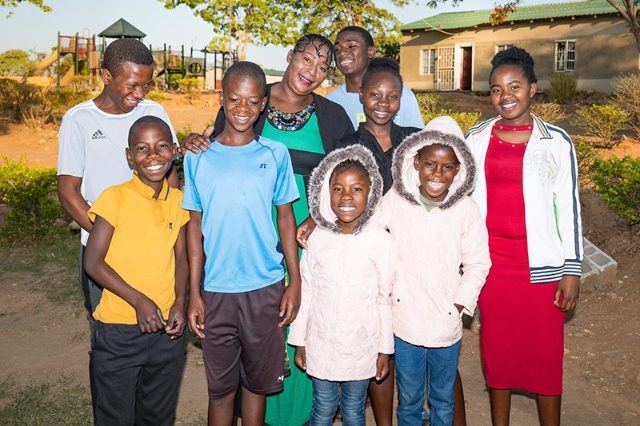
Children and Mamas from our Family Homes in Chongwe
3

We multiply it.

We extend the impact of quality orphan care far beyond the children entrusted to us.

Your gift helps us practice it, teach it and multiply it.

Give today

Excellence in Direct Care

Care we can measure, and keep improving.

Through the Thrive Program, our Baby Rescue Homes and Family Homes are assessed against 15 internationally aligned standards of care.

How our Thrive scores are given ↓

What quality care means for a child

The 15 standards cover every part of a child’s safety, development, health and well-being. Scroll through them one at a time.

Standard 01 of 15

Child protection

What it means for a child

[Placeholder: ACHF’s plain-language description of this standard]

How we practice it in our homes

[Placeholder: one or two lines from Rebecca, ideally with a short example]

Skip to how the assessment works ↓
  1. What it means for a child[Placeholder: ACHF’s plain-language description]
    How we practice it in our homes[Placeholder: a line from Rebecca]
  2. What it means for a child[Placeholder: ACHF’s plain-language description]
    How we practice it in our homes[Placeholder: a line from Rebecca]
  3. What it means for a child[Placeholder: ACHF’s plain-language description]
    How we practice it in our homes[Placeholder: a line from Rebecca]
  4. What it means for a child[Placeholder: ACHF’s plain-language description]
    How we practice it in our homes[Placeholder: a line from Rebecca]
  5. What it means for a child[Placeholder: ACHF’s plain-language description]
    How we practice it in our homes[Placeholder: a line from Rebecca]
  6. What it means for a child[Placeholder: ACHF’s plain-language description]
    How we practice it in our homes[Placeholder: a line from Rebecca]
  7. What it means for a child[Placeholder: ACHF’s plain-language description]
    How we practice it in our homes[Placeholder: a line from Rebecca]
  8. What it means for a child[Placeholder: ACHF’s plain-language description]
    How we practice it in our homes[Placeholder: a line from Rebecca]
  9. What it means for a child[Placeholder: ACHF’s plain-language description]
    How we practice it in our homes[Placeholder: a line from Rebecca]
  10. What it means for a child[Placeholder: ACHF’s plain-language description]
    How we practice it in our homes[Placeholder: a line from Rebecca]
  11. What it means for a child[Placeholder: ACHF’s plain-language description]
    How we practice it in our homes[Placeholder: a line from Rebecca]
  12. What it means for a child[Placeholder: ACHF’s plain-language description]
    How we practice it in our homes[Placeholder: a line from Rebecca]
  13. What it means for a child[Placeholder: ACHF’s plain-language description]
    How we practice it in our homes[Placeholder: a line from Rebecca]
  14. What it means for a child[Placeholder: ACHF’s plain-language description]
    How we practice it in our homes[Placeholder: a line from Rebecca]
  15. What it means for a child[Placeholder: ACHF’s plain-language description]
    How we practice it in our homes[Placeholder: a line from Rebecca]

How the Thrive Assessment Works

A score is only the start. It shapes what we improve next.

  1. 1 Assess Each home is assessed against all 15 standards of care.
  2. 2 Score The results give a clear picture of where care is strong and where it can grow.
  3. 3 Plan Leaders build an individualized improvement roadmap with clear priorities.
  4. 4 Mentor & improve Ongoing mentorship and collaborative learning keep care improving.

[Placeholder: how the 10-point score is calculated, who assessed our homes and when, from Rebecca or ACHF]

About A Child’s Hope →

The Partnership

Three partners, one goal: better care for every child.

A Child’s Hope Foundation

Program creator

A Child’s Hope Foundation

Creator of the Thrive Program, an assessment and improvement framework used by children’s homes around the world, and host of the global Thrive Collective.

[Placeholder: partnership details from Rebecca]

Every Orphan’s Hope

Thrive Deployment Partner in Zambia

Every Orphan’s Hope

Our trained Zambian staff lead training, assessments, individualized improvement roadmaps, mentorship and collaborative learning for other childcare facilities.

Meet the team →
Ministry of Community Development and Social Services, Zambia

Government partner

Ministry of Community Development and Social Services

Zambia’s ministry for child welfare and social protection, collaborating with EOH and A Child’s Hope to bring Thrive to childcare facilities nationwide.

Visit mcdss.gov.zm →

Zambian-Led Expertise

Trusted to train, mentor and equip.

Our experienced Zambian team equips facility leaders and caregivers through training, assessments, individualized improvement roadmaps, ongoing mentorship and collaborative learning.

“[Placeholder quote from a participating facility leader or caregiver about what changed for their children.]”
[Name], [Facility], [Town]
[Photo: Zambian staff leading a caregiver training]
[Photo: childcare leaders collaborating]
[Photo: caregiver with children]
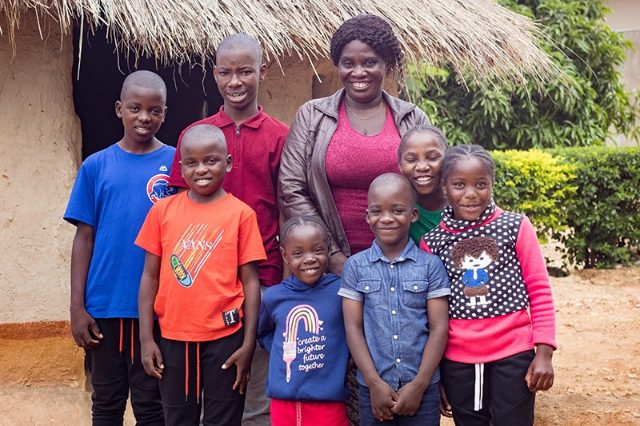
Mama Naomi with the children of her Family Home

Multiply the Impact

Help more children know the love of Jesus and the care they deserve.

Your support strengthens our own homes and equips caregivers across Zambia.
Give today Partner as a church